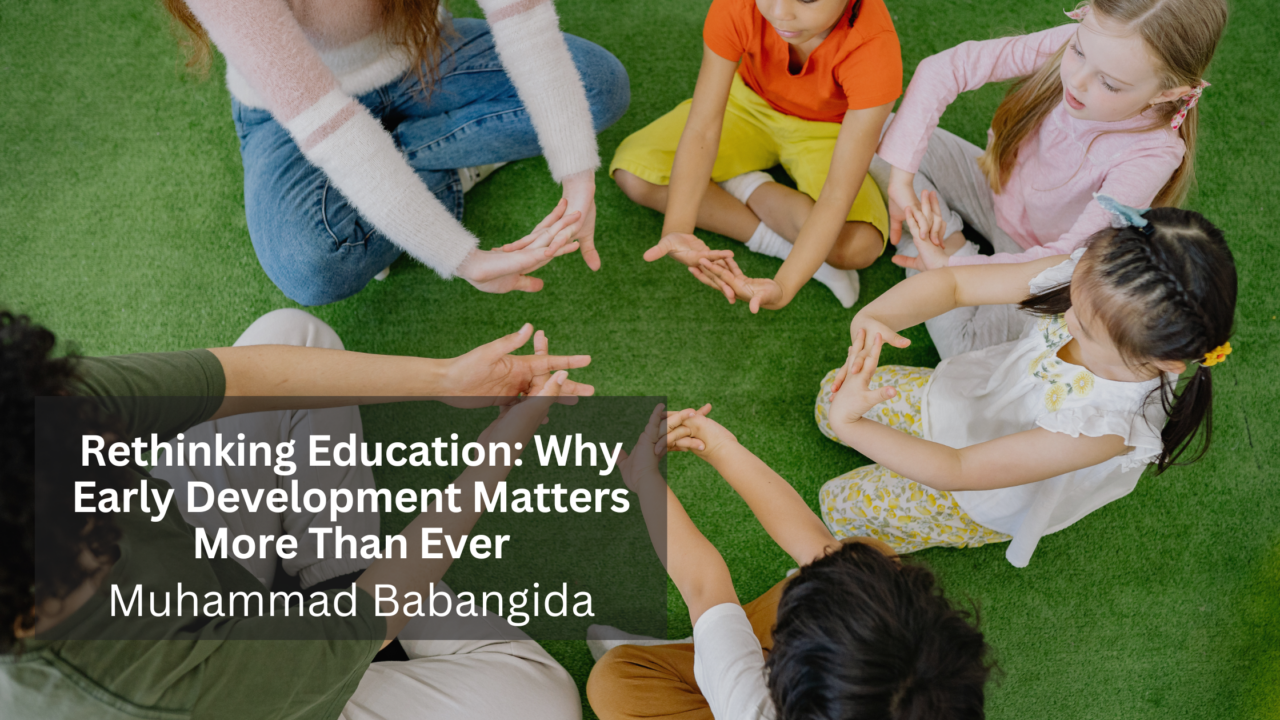
The earliest years of a child’s life shape far more than academic readiness.
Research consistently shows that early childhood development strongly influences emotional regulation, communication skills, confidence, social behavior, cognitive growth, and long-term learning ability. Yet many education systems still place disproportionate focus on performance outcomes later in life instead of foundational development during early years.
This is beginning to change.
Increasingly, educators and policymakers are recognizing that education should not begin with pressure alone. Early learning environments must also nurture curiosity, creativity, emotional safety, and independent thinking.
Children learn best when they feel secure, engaged, and encouraged to explore naturally. Play-based learning, communication development, emotional support, storytelling, movement, creativity, and social interaction all contribute significantly to healthy development during formative years.
Importantly, early education is not simply preparation for school. It is preparation for life itself.
The strongest educational systems understand that children are not machines designed purely for academic output. They are developing human beings whose emotional wellbeing directly influences their ability to learn, communicate, and grow confidently.
Modern education therefore requires a broader perspective — one that values emotional intelligence alongside literacy, creativity alongside structure, and development alongside performance.
Because when early learning environments support the whole child rather than only academic achievement, the long-term impact extends far beyond classrooms.