Young people represent the most powerful force for future progress in any society. Their energy, creativity, and ambition hold the potential to solve complex challenges and drive meaningful change. However, potential alone is not enough. Without access to opportunity and the right support systems, many young individuals are unable to fully develop their talents or contribute meaningfully to their communities.
Empowering youth through opportunity and support is not just a social responsibility—it is a strategic investment in the future. When young people are given the tools, guidance, and environment they need to succeed, they become leaders, innovators, and change-makers who shape stronger societies.
The Importance of Early Opportunity
Opportunity is often the first step toward empowerment. For many young people, especially in underserved communities, access to quality education, mentorship, and skill development programs can determine the course of their lives.
Early opportunities help young individuals discover their strengths and interests. Whether through education, sports, vocational training, or creative programs, exposure to different paths allows youth to build confidence and direction.
Without access to these opportunities, many talented individuals may never realize their full potential. Creating equal access ensures that success is determined by ability and effort, not circumstance.
Education as a Foundation for Empowerment
Education remains one of the most powerful tools for youth empowerment. It provides knowledge, builds critical thinking skills, and opens doors to future employment and leadership opportunities.
However, empowerment through education goes beyond classrooms. It includes mentorship programs, leadership training, digital literacy, and practical skills development. These combined experiences prepare young people not only for academic success but also for real-world challenges.
When education systems are inclusive and accessible, they become a driving force for social and economic mobility. Educated youth are more likely to innovate, contribute to their communities, and uplift others.
The Role of Mentorship and Guidance
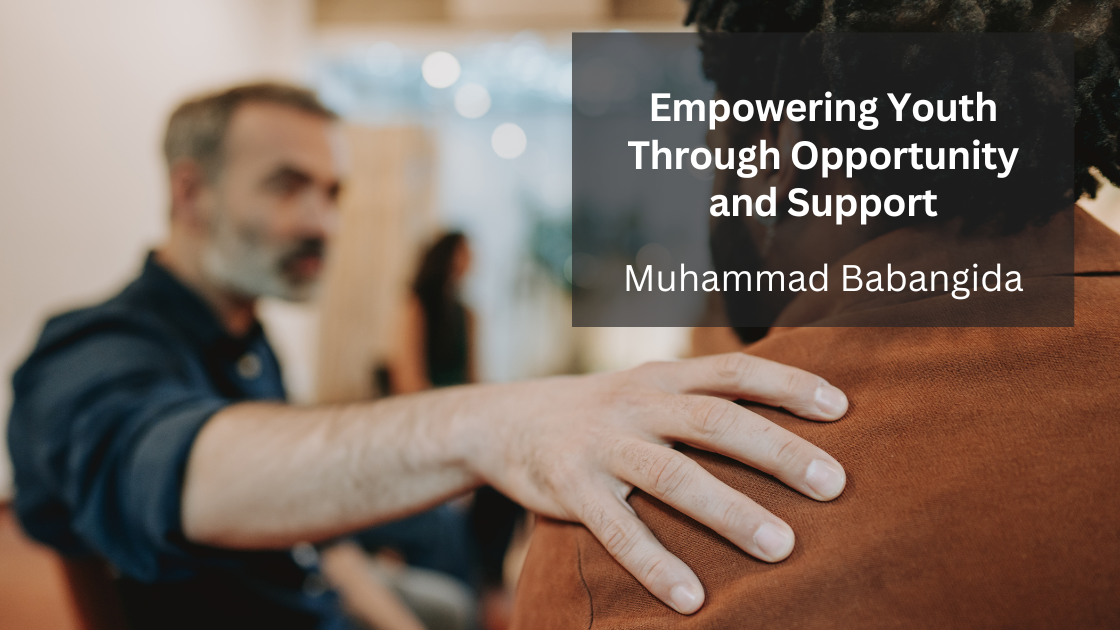
Support plays a critical role in shaping young lives. Mentorship provides direction, encouragement, and real-world insight that helps youth navigate challenges and make informed decisions.
A strong mentor can inspire confidence, help set goals, and provide valuable advice based on experience. This guidance is especially important during formative years when young people are still discovering their identity and purpose.
Mentorship also creates a sense of belonging and support. When youth feel seen and heard, they are more likely to stay motivated and committed to their personal development.
Creating Safe and Supportive Environments
Empowerment cannot happen in isolation. Young people need safe environments where they feel secure, respected, and valued. Schools, community centers, sports programs, and youth organizations all play an important role in creating these spaces.
A supportive environment encourages creativity and participation. It allows young people to express themselves freely, take risks, and learn from failure without fear of judgment.
When youth are surrounded by positive influences, they develop stronger self-esteem and resilience. These qualities are essential for overcoming challenges and achieving long-term success.
Skills Development for the Future
The modern world is evolving rapidly, and the skills required for success are changing as well. Beyond traditional education, young people need access to programs that develop practical and future-ready skills.
These include digital literacy, communication skills, problem-solving abilities, teamwork, and entrepreneurship. Equipping youth with these competencies prepares them for a competitive global economy.
Skills development also encourages independence. When young people learn how to think critically and solve problems, they become more confident in their ability to create opportunities for themselves and others.
The Power of Sports and Extracurricular Activities
Sports and extracurricular activities are powerful tools for youth empowerment. They teach discipline, teamwork, leadership, and resilience—qualities that are essential both on and off the field.
Participation in sports helps young people build confidence, stay active, and develop a sense of purpose. It also provides opportunities for social interaction and personal growth.
Similarly, arts, music, and community service programs allow youth to explore creativity and develop emotional intelligence. These experiences contribute to well-rounded development and prepare young people for diverse life challenges.
Reducing Barriers to Success
Many young people face barriers that prevent them from accessing opportunities. These may include financial limitations, lack of infrastructure, social inequality, or limited access to quality education.
Empowering youth requires addressing these barriers directly. Scholarships, community programs, public-private partnerships, and targeted support initiatives can help bridge the gap.
When barriers are reduced, talent can flourish regardless of background. This creates a more inclusive and equitable society where everyone has the chance to succeed.
Building the Next Generation of Leaders
Empowering youth is ultimately about preparing the next generation of leaders. Today’s young people will become tomorrow’s decision-makers, innovators, and community builders.
By investing in their growth today, societies are ensuring a stronger and more capable future. Empowered youth are more likely to become responsible leaders who contribute positively to economic development and social progress.
Leadership development programs, civic engagement opportunities, and community involvement all help shape young individuals into active and responsible citizens.
Conclusion
Empowering youth through opportunity and support is one of the most impactful investments any society can make. It requires a combination of education, mentorship, safe environments, skills development, and equal access to opportunities.
When young people are supported and given the chance to grow, they become powerful agents of change. They innovate, lead, and contribute to building stronger, more resilient communities.
Ultimately, the future of any society depends on how well it empowers its youth today. By providing opportunity and support, we are not only shaping individual lives—we are shaping the future of the world.