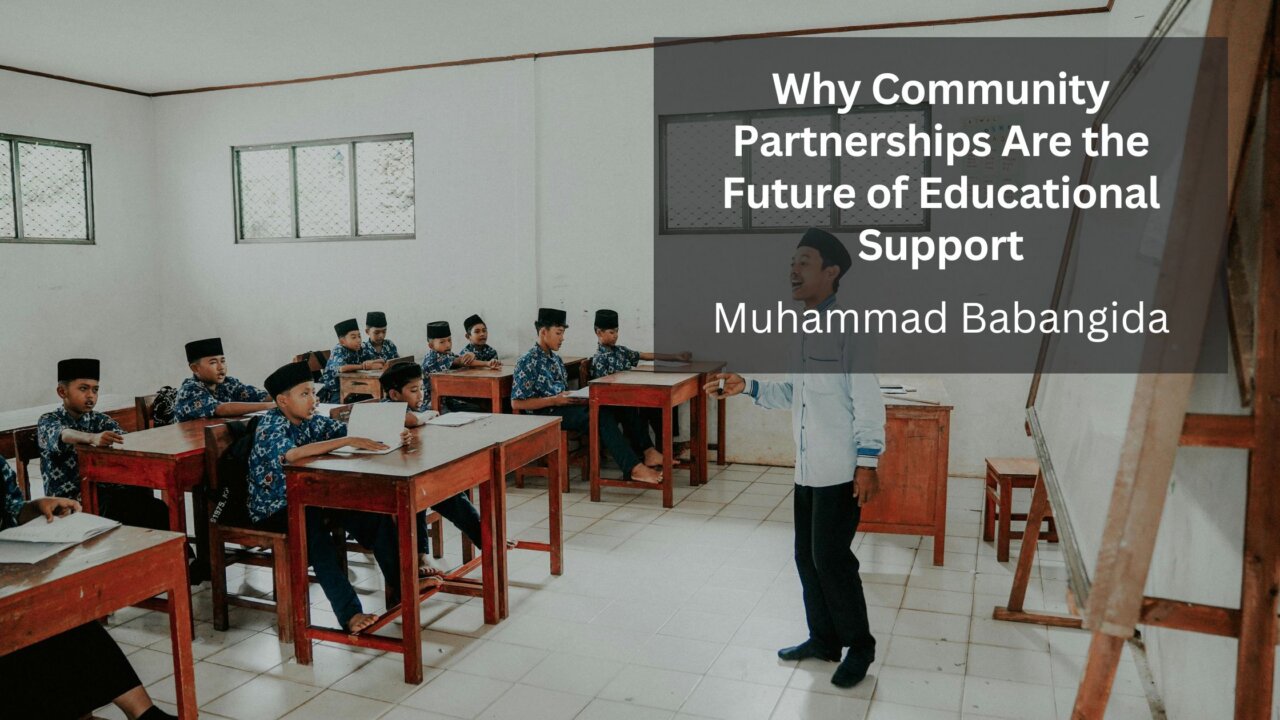
Education is evolving. Today, schools are no longer isolated institutions; they function best when connected to the communities around them. From local businesses to nonprofits, civic organizations, and families, community partnerships are emerging as a critical component of educational success. These collaborations provide students with resources, mentorship, and opportunities that go far beyond what traditional school systems can offer.
Community partnerships allow schools to access a wider range of resources than their budgets might allow. Many districts face funding constraints, which can limit access to technology, extracurricular programs, and enrichment opportunities. Local organizations and businesses can help fill these gaps by donating equipment, sponsoring programs, or providing volunteer support. For example, a tech company might supply coding workshops, a local art studio could host creative classes, or a library organization might fund literacy programs. By pooling resources, schools can offer students a richer and more diverse learning experience.
Beyond resources, community partnerships foster real-world learning experiences. Professionals from local organizations often volunteer as mentors, guest speakers, or workshop leaders. These interactions expose students to different career paths, industries, and skill sets. They also allow students to see how classroom lessons apply to practical scenarios. Mentorship programs, internships, and experiential learning projects all stem from community engagement, helping students develop both academic and professional competencies. When students interact with adults invested in their success, it inspires confidence, ambition, and a sense of purpose.
Community partnerships also promote inclusivity and equity in education. Not every student has access to the same opportunities at home, and many communities face systemic barriers to learning. By working with local organizations, schools can provide targeted support for underserved populations. Scholarship programs, after-school initiatives, and specialized workshops ensure that all students—regardless of background—have access to high-quality educational experiences. This approach helps level the playing field, enabling every child to reach their potential.
Another advantage of community partnerships is the sense of shared responsibility they create. When local organizations, parents, and civic groups actively engage in education, schools become hubs of collaboration and mutual support. This collective investment strengthens relationships, fosters accountability, and creates a culture where the success of students is a community priority. Additionally, these partnerships often lead to innovative programs that schools might not develop independently, from environmental initiatives to arts projects and STEM competitions.
Finally, community partnerships prepare students for the future by equipping them with practical skills and experiences. In today’s rapidly changing world, adaptability, creativity, and problem-solving abilities are just as important as academic knowledge. Exposure to diverse professionals, mentorship, and community-driven projects helps students develop these skills while building networks that may support their future careers.
In conclusion, community partnerships are becoming the cornerstone of modern educational support. They expand resources, provide mentorship, foster equity, and encourage innovation, all while strengthening the bonds between schools and the communities they serve. By leveraging the knowledge, expertise, and investment of local partners, schools can offer students enriched learning experiences that prepare them for success both inside and outside the classroom. In the evolving landscape of education, collaboration between schools and communities is not just an option—it is the future.